
Wedding Etiquette Dilemmas: Common Questions Couples Ask (Part 2)
In Part 1 we tackled guest list drama and bridal party expectations. Now let’s move into the next minefield - money, gifts, and family dynamics. These questions often come up when couples are trying to balance budgets, traditions, and family relationships. Just like before, the answers come back to one thing: being polite and fair matters just as much as sticking to your vision.
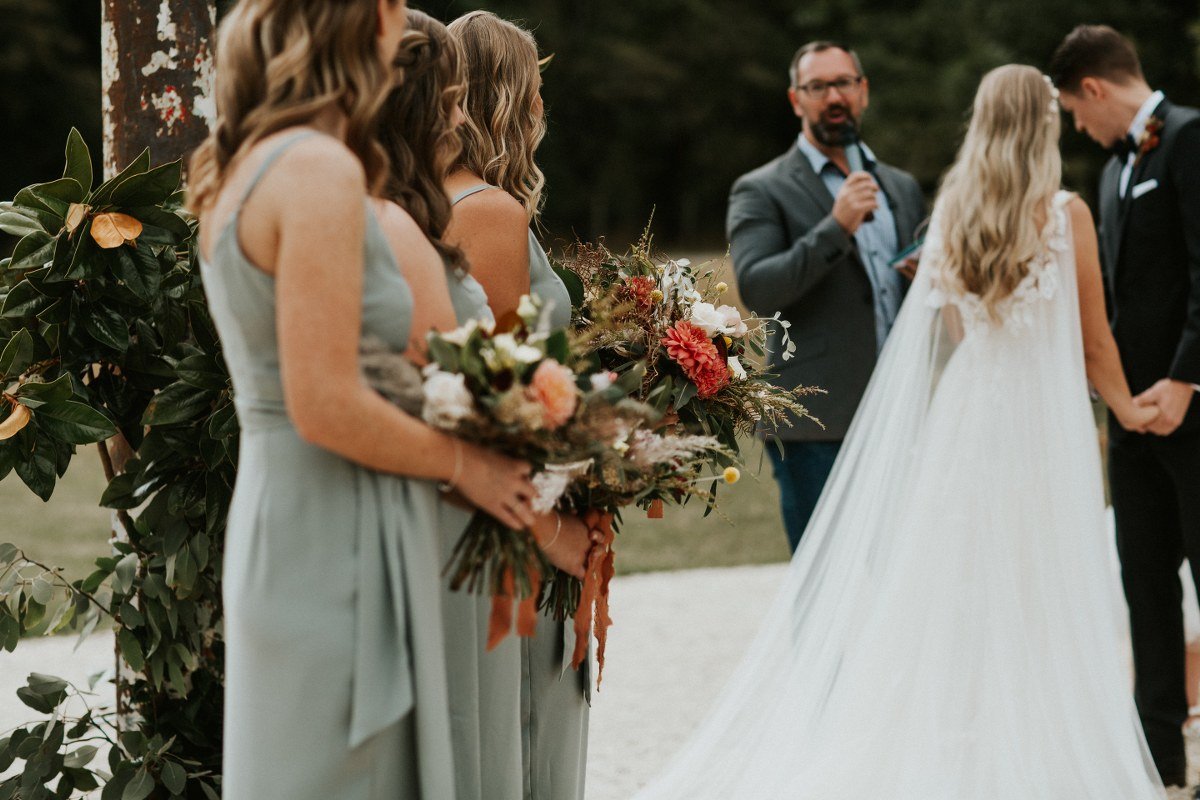
Photos courtesy of Hannah Bird Photography

Money and Gifts
Q: We don’t want to pay for everyone’s drinks. Is it ok to have a cash bar?
It depends on your guest group and culture. In some circles, a cash bar is completely normal. In others, it is seen as tacky. If you go this route, communicate it clearly so guests know what to expect. A middle ground is to offer beer, wine, and a signature cocktail on you, then have guests pay for spirits. The key is transparency and not springing it on people once they arrive.
Q: We only want cash gifts. How do we ask for this without sounding rude?
Asking directly for money can feel transactional, but many modern couples do it. The best approach is to frame it positively - “Your presence is the best gift, but if you would like to contribute, we’d love help toward our honeymoon/house deposit.” That way, it feels less like a demand and more like an option.
Q: We’re having a destination wedding. Can we expect guests to pay for their own flights and accommodation - and still bring a gift?
Yes, you can expect them to pay their way, but you cannot expect a gift on top. Attending a destination wedding is already a big financial ask. Many guests will still bring a gift, but etiquette says their presence is the present. Couples should be prepared for some people to decline because of costs.
Q: Is it ok to serve finger food instead of a full meal to save money?
Yes, but with caveats. If you invite people for a full wedding reception, they expect a meal. If your budget is tighter, make it clear on the invite - “Join us for cocktails and canapés” rather than letting guests assume a sit-down dinner. Finger food can absolutely work, but only if expectations are set properly and there is enough food so no one leaves hungry.
Family Dynamics
Q: My divorced parents don’t get along. Can I have them both walk me down the aisle?
Yes, if you want to. This is your choice. The question is how to manage their emotions. Some divorced parents can be civil for one moment, others cannot. Have an honest conversation beforehand and don’t force it if it will create tension. Another option is to have one walk you halfway, then the other take over. The important part is making it feel comfortable for you.
Q: I am closer to my stepdad than my biological dad. Can he do the father-daughter dance instead?
Absolutely. This is about your relationship, not biology. Some couples even split the dance between both dads. Again, communication is key - telling your biological father beforehand is kinder than springing it on him during the reception.
Q: My partner’s parents are contributing financially and now want more control over the guest list. Is that fair?
This is one of the most common dilemmas. The reality is - money often comes with strings. If you accept contributions, you may need to compromise. If that feels uncomfortable, consider covering more yourselves so you can retain decision-making power. It comes down to priorities - less financial help and more freedom, or more support but less control.
Q: My future in-laws want to invite lots of extended family we don’t know. Do we have to agree?
No, you don’t have to. The couple should have the final say, but this needs to be handled delicately to avoid long-term family fallout. A compromise could be inviting a smaller number of family members who are closest, or inviting them to the ceremony only but not the full reception. Clear boundaries but with respect are essential here.
Q: Where do we seat divorced parents and their new partners?
The safest option is to separate them at different tables but keep them close to the top table so no one feels excluded. If you know they can be civil, you can seat them at the same table with their new partners, but only if you are confident it won’t cause drama. Think of seating as diplomacy - the goal is comfort for everyone, not sticking to rigid rules.
The Bigger Picture
Weddings highlight relationships - not just between couples, but also with family and friends. Money and family politics can bring up tricky conversations, and sometimes it feels impossible to please everyone. The truth is, you won’t. But you can handle it with respect.
A good test for any decision is this: If I were the guest, would I feel valued and included? If the answer is yes, you are on the right track. If the answer is no, it might be time to reconsider.
Final Thoughts
Weddings are personal, emotional, and sometimes messy. It’s natural to face dilemmas that don’t have black-and-white answers. But when couples remember that guests are giving their time, money, and love to be there, it becomes easier to make decisions that balance your vision with kindness.
At the end of the day, etiquette is not about rigid rules. It’s about making sure your wedding reflects not only who you are as a couple, but also how you treat the people around you.