
Wedding Etiquette Dilemmas: Common Questions Couples Ask (Part 1)
Weddings bring out the best in people… but also, sometimes, the worst. Couples want the day to be magical, but it is easy to slip into decisions that feel convenient in the moment yet come across as rude, unfair, or even a little selfish.
We hear these questions from couples all the time - sometimes whispered with guilt, other times asked with total innocence. Either way, the answers usually come down to the same thing: just because it is your wedding does not mean basic kindness and etiquette go out the window.
So let’s get into some of the most common (and controversial) wedding questions couples ask.
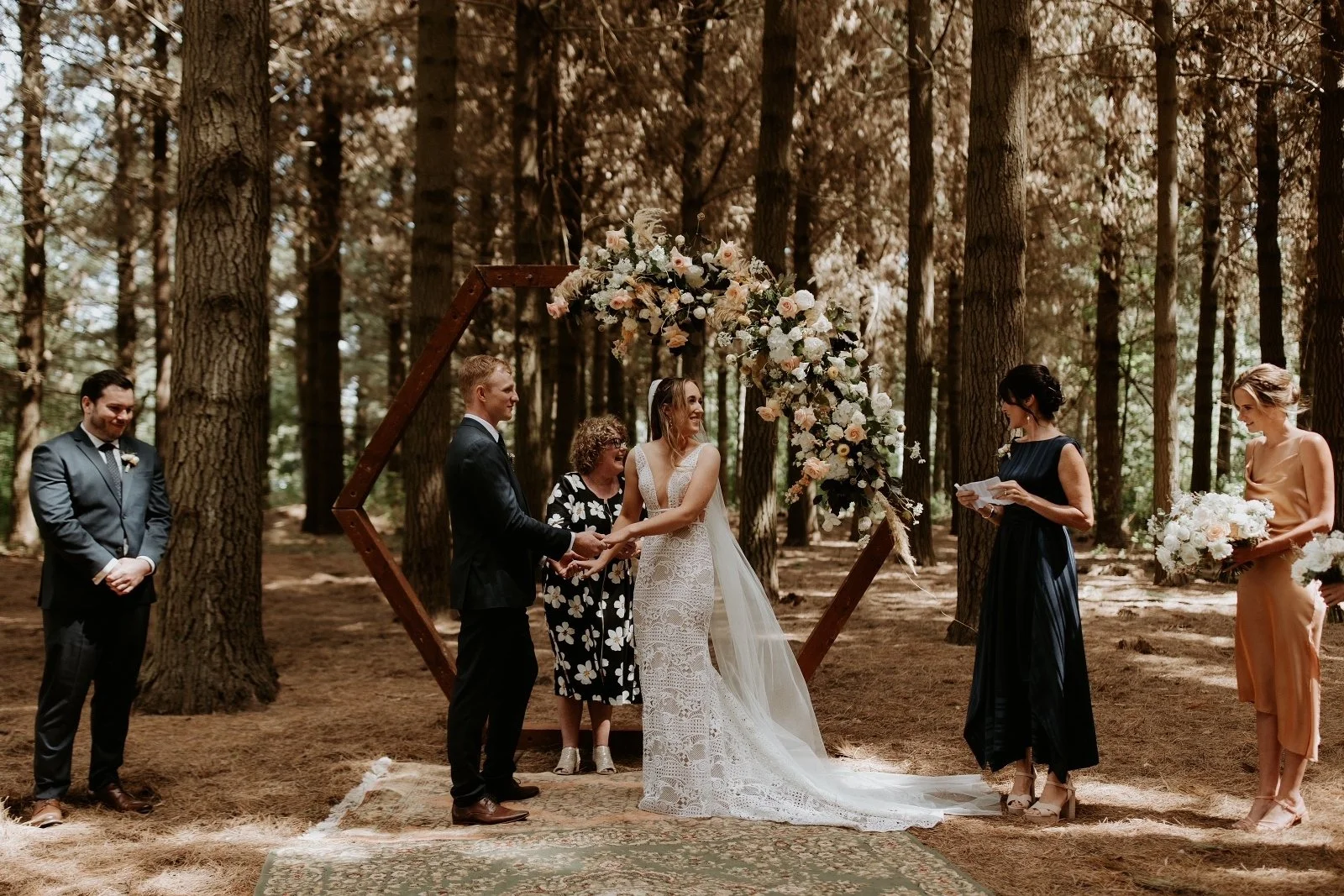
Image courtesy of Emily Hugo Photography
Guest List Dilemmas
Q: We sent out save the dates, but now we don’t want to invite someone. Can we uninvite them?
Short answer: No. Once a save the date has been sent, that is a promise of an invitation. Taking it back is awkward at best, insulting at worst, and guaranteed to cause hurt feelings. If you are over numbers, it is better to trim elsewhere - perhaps plus ones, or rethinking how many people from each side you really need to invite.
Q: We invited a friend, but don’t want to include their partner we don’t know. Is that rude?
Yes, it is. If a guest is in a serious relationship (living together, engaged, long-term), etiquette says they come as a package deal. Picking and choosing partners creates unnecessary tension and makes people feel unwelcome. If numbers are an issue, it is better to invite fewer single friends than exclude someone’s partner.
Q: We don’t want children at our wedding, but we’re happy to include our nieces and nephews. Can we do that?
Yes, but with care. A “no kids” wedding is completely fine - but exceptions need to be explained gently. Parents can be sensitive if it feels like their kids were singled out. The best approach? Frame it around practicality: “We’re keeping the guest list adults-only, but we do want our immediate family’s little ones there for the ceremony/photos.” Clarity (and kindness) is key.
Q: Is it ok to have an A-list and a B-list of guests depending on RSVPs?
It happens more often than people admit. But here is the thing: you must manage it carefully. Sending a “late” invite can make people feel like a back-up option. If you are going down this road, keep guest lists private and time your waves of invitations so B-list guests don’t feel second best. It is not ideal etiquette - but if done discreetly, it is possible.
Bridal Party Expectations
Q: One of my bridesmaids isn’t pulling her weight. Can I replace her?
Technically, yes. But it is a minefield. Removing someone from your bridal party almost always damages the relationship permanently. Ask yourself: is it worth losing a friend over? A better approach is to adjust expectations - if she cannot help much with planning, maybe she is just there to stand by your side on the day.
Q: Is it normal to expect my bridesmaids to pay for their dresses, hair, makeup, and the bachelorette?
Traditionally, bridesmaids pay for their dresses, while the couple covers beauty and accommodation. But modern weddings blur the lines. The key test: are you asking them to spend more than they reasonably can? If yes, it is unfair. Couples need to remember - friends are not your wedding funders. If you want them to look a certain way, you should cover it.
Q: Can we ask our bridal party to help with setup and pack-down?
Within reason. Asking your best friends to roll up their sleeves for a quick job is one thing - expecting them to spend two full days moving furniture is another. Remember, they are there to celebrate with you, not work unpaid shifts. If you need heavy lifting, hire a team.
Q: My sister assumed she’d be a bridesmaid, but I don’t want her in the wedding party. How do I tell her?
This is one of the toughest dilemmas. Honesty is important, but so is tact. Frame it around logistics (“We’re keeping the bridal party small”) rather than personal preference. Then offer her another meaningful role - maybe doing a reading, or helping with something special on the day. People want to feel included, even if not in the bridal party.
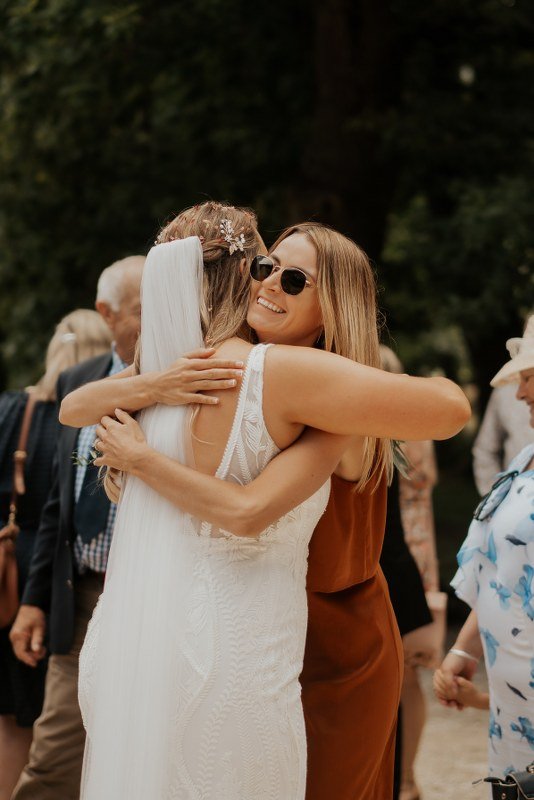
Images kindly by Sarah Clements Photography
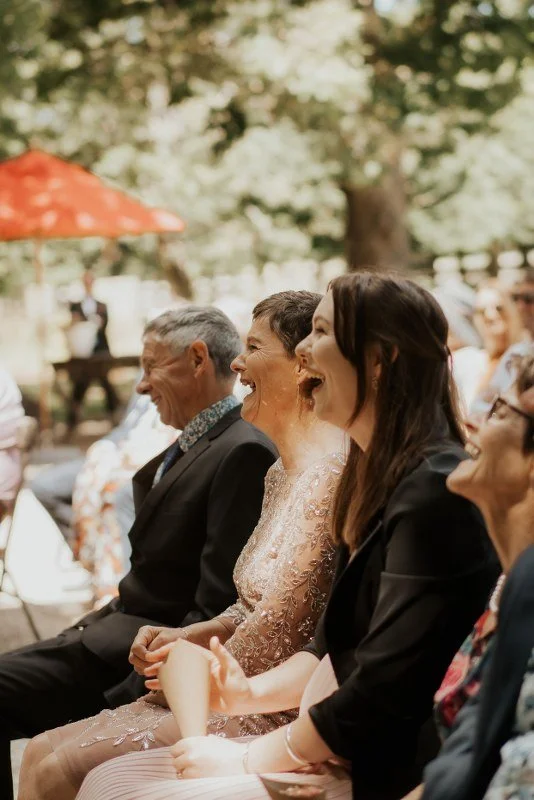
Where to Draw the Line
At the heart of all these questions is the same issue: boundaries vs. kindness. Couples absolutely should make choices that reflect what they want for their day. But when decisions cross into making guests feel excluded, overworked, or like their presence is conditional, it is a red flag.
The golden rule? Ask yourself: If I were on the other side of this decision, how would I feel? If the answer is “unwanted” or “taken advantage of,” it is time to rethink.
👉 In Part 2, we’ll tackle the next round of dilemmas: money, gifts, and family dynamics (because nothing stirs the pot quite like who pays for what, or where divorced parents sit at the ceremony).